
Some links in this post are affiliate links. I get a small cut if you buy, but it doesn’t cost you anything extra.
Fresh jalapenos in March, from a countertop in a one-bedroom apartment, with no soil, no outdoor space, and no particular expertise. That’s the pitch for growing peppers indoors in a hydroponic garden, and after following a Pot-a-Peno grow in an AeroGarden Harvest Elite 360 for 100 days, I can tell you it’s real, with a few catches that nobody warns you about upfront. So if you’ve been curious whether a countertop hydroponic garden can actually produce peppers worth eating, the short answer is yes, and the longer answer is that two specific mistakes kill most indoor pepper grows before they get there.
Quick Answer: Yes, you can grow peppers in a countertop hydroponic garden, and jalapenos or Thai chili are the easiest starting points. The two things that kill most indoor pepper grows are skipping manual pollination (no bees, no wind = no fruit) and relying on branded nutrients that top out at EC 1.2 when peppers need EC 2.5-3.0 to actually set fruit. Get those two right and a Harvest-class system can take you from seed to first harvest in roughly 95-100 days.
 Ahopegarden Indoor Garden Hydroponics Growing System ...
10-pod hydroponic system with full-spectrum adjustable LED light, ideal for growing herbs, vegetables, and flowers indoors year-round
~$53.99
Ahopegarden Indoor Garden Hydroponics Growing System ...
10-pod hydroponic system with full-spectrum adjustable LED light, ideal for growing herbs, vegetables, and flowers indoors year-round
~$53.99
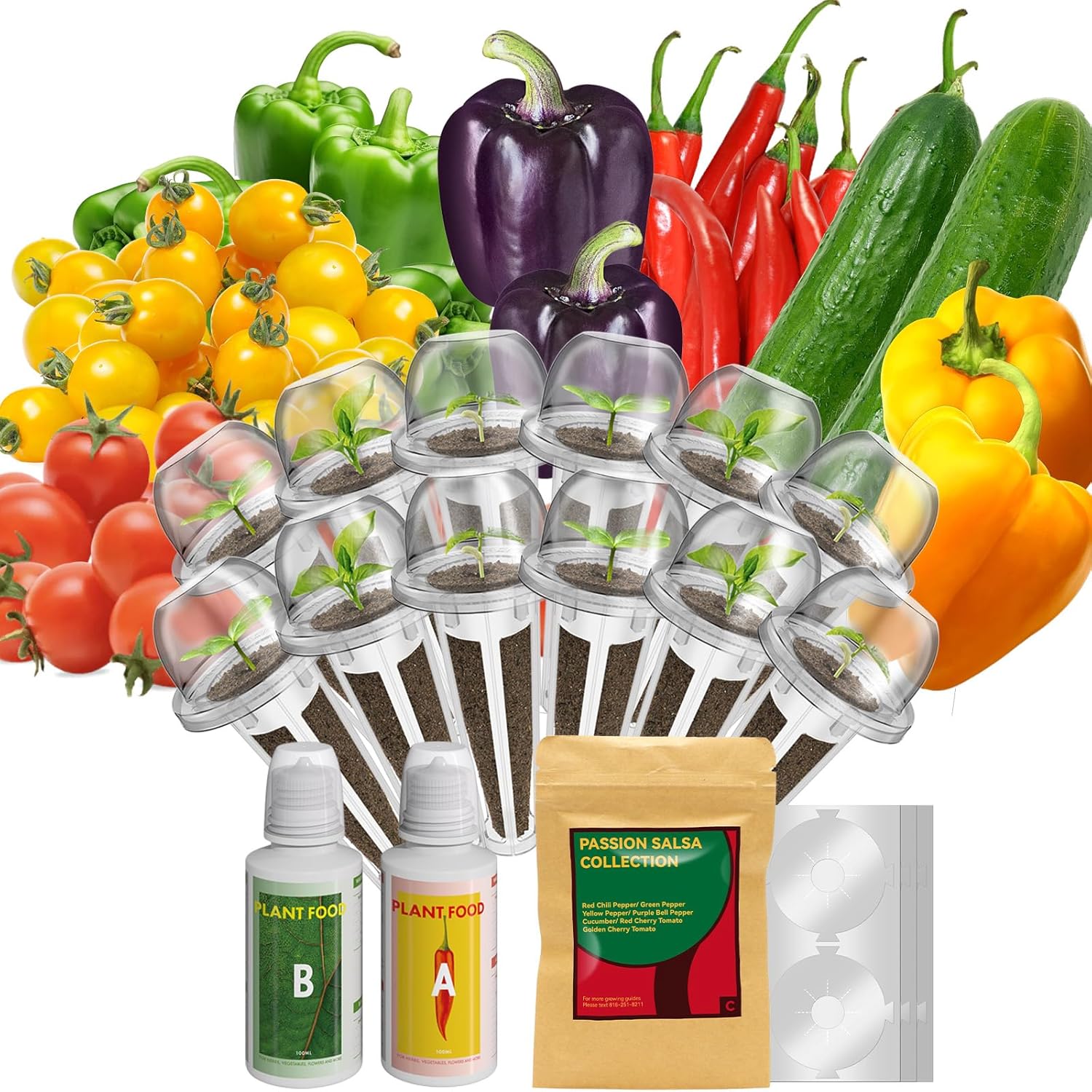 inbloom 12-Pod Pepper Seed Pod Kit for AeroGarden, ...
12-pod hydroponic seed kit with 350+ heirloom pepper and vegetable seeds, compatible with AeroGarden and similar systems, ideal for indoor growing
~$24.99
inbloom 12-Pod Pepper Seed Pod Kit for AeroGarden, ...
12-pod hydroponic seed kit with 350+ heirloom pepper and vegetable seeds, compatible with AeroGarden and similar systems, ideal for indoor growing
~$24.99
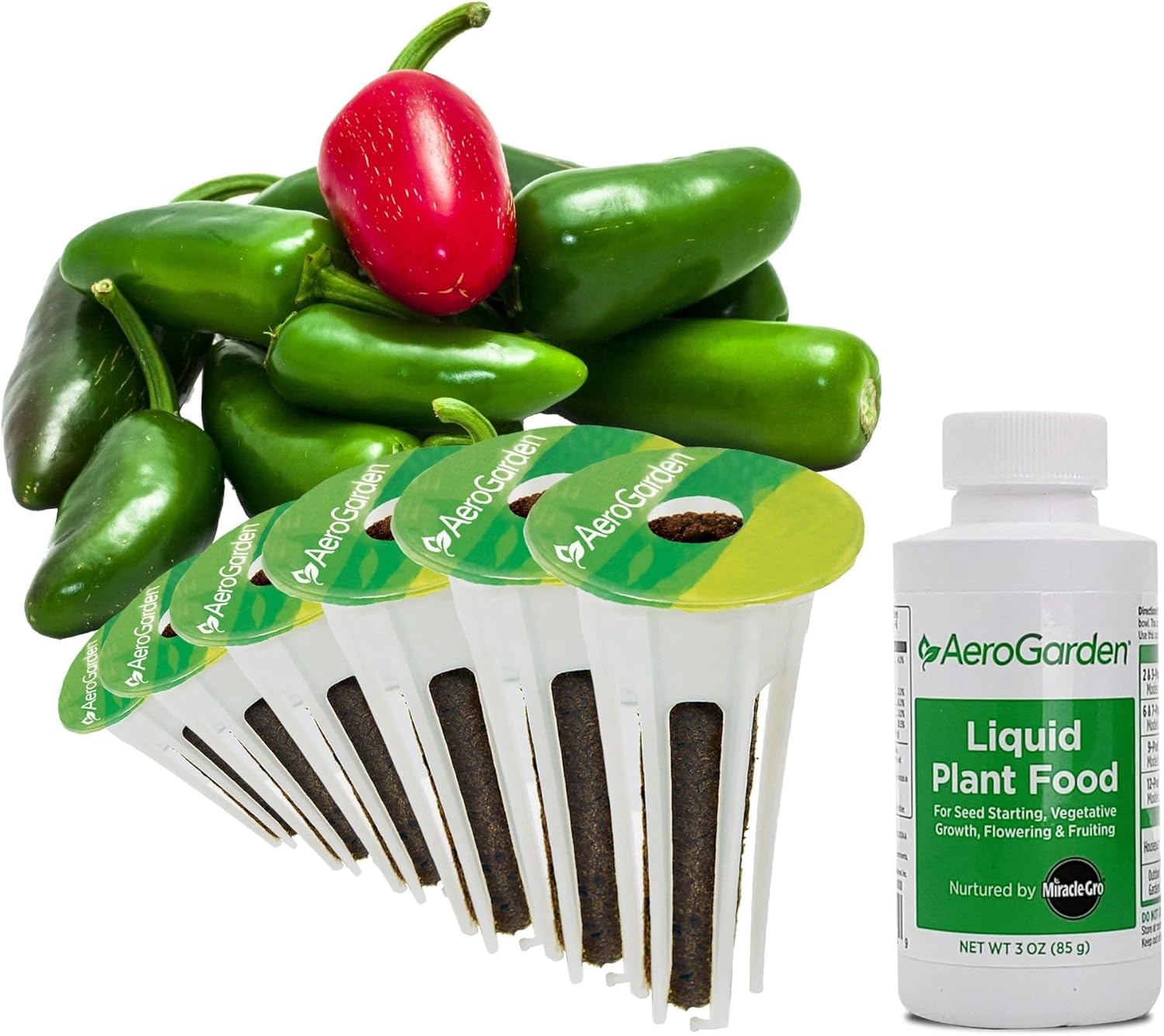 AeroGarden Jalapeno Pepper Seed Pod Kit with Liquid ...
Six pre-seeded jalapeno pepper pods with liquid nutrients, designed for indoor growing in any AeroGarden system.
AeroGarden Jalapeno Pepper Seed Pod Kit with Liquid ...
Six pre-seeded jalapeno pepper pods with liquid nutrients, designed for indoor growing in any AeroGarden system.
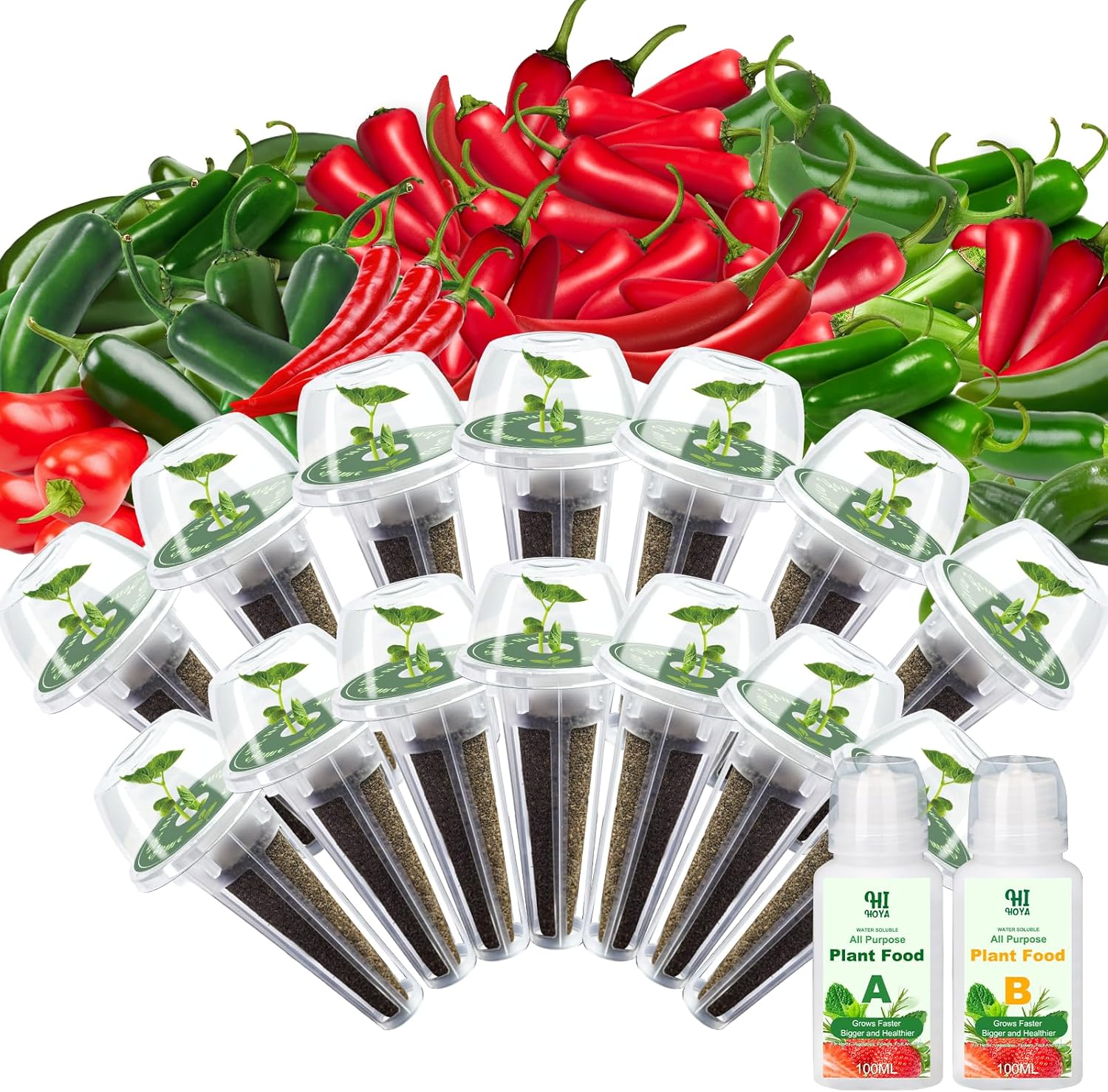 14 POD Pepper Seed Pod Kit, with Serrano, Cayenne ...
14-pod pepper seed kit with 6 varieties, grow sponges, and A&B nutrients for hydroponic systems
~$28
14 POD Pepper Seed Pod Kit, with Serrano, Cayenne ...
14-pod pepper seed kit with 6 varieties, grow sponges, and A&B nutrients for hydroponic systems
~$28
The One Thing That Kills Indoor Pepper Grows
You’re going to see flowers around day 36 or so. Beautiful little white flowers, right on schedule. And then… nothing. No peppers. Just a lush green bush that smells like capsaicin and produces exactly zero fruit.
This happened to a grower in r/Hydroponics who spent months with a dragon pepper plant in an NFT setup. The plant grew great. Two peppers total. After cutting it down he found the explanation online: “THE ONE THING I WISH I HAD KNOWN, that I read after I cut it down, is that once it started to flower I needed to take active steps to pollinate the flowers. Since there is no air movement or insect activity it wasn’t self pollinating.”
Peppers are self-fertile, meaning the pollen is right there on the plant. But self-fertile doesn’t mean self-pollinating in a sealed apartment with no breeze and no bees. The pollen needs to move. Outdoors it shakes loose from wind or bees bumping around. Indoors you have to make that happen yourself.
Two ways to do it. The easier one: run a small fan on low, pointed at the plants, 24 hours a day once flowers appear. Not blasting them, just a gentle circulating breeze. The more hands-on option: shake or gently tap each flower cluster every time you walk by. The IGWorks growing guide calls this out specifically, and it’s what the Pot-a-Peno 100-day grow log did throughout the fruiting phase. Probably 30 seconds of work, twice a day.
One r/PepperLovers grower had a habanero that grew into an 18-inch bush indoors with zero fruit, moved it outside, and it immediately produced a dozen-plus peppers. The plant was fine. The pollination just wasn’t happening.
Don’t skip this. Set a phone reminder if you have to.
Which Varieties Actually Work on a Countertop
Compact varieties first, everything else after.
Start here:
Pot-a-Peno, specifically bred to stay under 12 inches. The AeroGarden Harvest Elite 360 grow log I followed confirmed this: both plants stayed compact and loaded up with peppers by day 80. Seeds from Park Seed if you’re sourcing them yourself.
Jalapeno, the community consensus pick for first-timers. Reddit users in r/Hydroponics are consistent on this: jalapeno or fish pepper for your first hydro grow, full stop. The AeroGarden Jalapeno Pepper Seed Pod Kit buy on Amazon is the obvious starting point if you already own a Harvest-class system. Plug and go, and you’re working with a variety that’s been tested in that specific system.
Thai Chili, compact bushes, stays manageable, and SherSheGrows reports harvesting about half a pound per month from an indoor setup. The heat level (50,000-250,000 SHU) makes it useful for cooking.
Cayenne, good if you want dried flakes or chili oil. Grows well in hydro and stays reasonable in size. The inbloom 12-Pod Pepper Seed Pod Kit check current price includes cayenne alongside other heirloom varieties, which works if you want to run multiple experiments at once.
Skip these in small systems:
Bell peppers. The r/PepperLovers community is clear: heavy fruit strains thin stems. One grower reported the stem was “half a dime thick before branching” and couldn’t support the weight. Bell peppers also need lower EC than hot peppers, so if you’re running a mixed pod system it makes nutrient management a mess.
Habanero. See the habanero-that-grew-into-a-bush-and-produced-nothing story above. It’ll grow. It won’t fruit, at least not reliably, without more light and more space than a Harvest gives you.
Anything labeled “Bounty-class or larger required” on seed sites. Cayenne, Habanada, Sugar Rush Peach, those all get tall enough to cause problems in a 6-pod system with 12 inches of grow height.
If you’re not on an AeroGarden system and want something with more pod capacity for a larger pepper garden, the 14-pod pepper seed kit see on Amazon covers serrano, cayenne, and a few others, and the Ahopegarden 10-pod system check price on Amazon is a budget-friendly option around $54 that gets decent reviews for setup simplicity.
Ahopegarden Indoor Garden Hydroponics Growing System ...
10-pod hydroponic system with full-spectrum adjustable LED light, ideal for growing herbs, vegetables, and flowers indoors year-round
Check Price on Amazon
🌱
Best for Beginners
AeroGarden Jalapeno Pepper Seed Pod Kit with Liquid ...
Six pre-seeded jalapeno pepper pods with liquid nutrients, designed for indoor growing in any AeroGarden system.
Check Price on AmazonThe Nutrient Problem Nobody Mentions
This is the other silent killer. And I say this as someone who used the AeroGarden branded nutrients without question for my first two years: they’re not strong enough for fruiting peppers.
The branded liquid food tops out around EC 0.8-1.2. Peppers need EC 2.0-3.5 to reliably set fruit. Hot peppers can push toward EC 3.5 at peak fruiting. Bell peppers stay lower, around EC 2.0-2.5. But even the lower end of that range is above what the included nutrients deliver.
What that means in practice: your plant looks healthy, grows fast, maybe even flowers. And then the flowers drop or just never become peppers. You adjust the light timer, check the water level, add more branded nutrients on schedule. Still nothing. The problem isn’t light or water. It’s that the plant doesn’t have the nutritional density to support fruit development.
The fix is switching to a proper bloom formula when flowers first appear. Before flowers: a high-nitrogen veg formula, roughly NPK 10-5-14. Once you see flower buds: switch to a high-phosphorus formula around NPK 5-15-14. The phosphorus is what tells the plant to produce fruit instead of more leaves.
So if you’ve been wondering why your pepper plant is gorgeous and fruitless, this is almost why. General Hydroponics Flora Trio is the most commonly cited upgrade for AeroGarden and DWC setups in r/Hydroponics. I wrote about nutrient alternatives that work for AeroGarden systems a while back, and the Flora Series came up there too. For peppers specifically, the veg-to-bloom switch matters more than for herbs, and the branded nutrients just don’t give you the flexibility to make that switch.
And honestly, it’s annoying that the pod kits don’t come with any mention of this. You buy the official jalapeno pod kit, follow the instructions, and the instructions say nothing about swapping nutrient formulas at flower set. You’re just supposed to know, apparently.
One note on my iDOO: a grower in r/Hydroponics flagged that the iDOO system puts out around 300-350 PPFD at canopy level, which is below the 400+ PPFD that fruiting peppers prefer. I’ve had fine results with lettuce in mine, but lettuce doesn’t need intense light to produce. Peppers do. Something to factor in if you’re deciding between systems.
The Actual 100-Day Timeline
Here’s what a real Pot-a-Peno grow in an AeroGarden Harvest Elite 360 looked like, pulled from a documented YouTube grow log:
Day 10: Seedlings visible. Unremarkable.
Day 23: Side shoots forming. The plants are starting to branch.
Day 36: First flower buds appear, and the plants are only about 1-1.5 inches tall at this point. Tiny plants, flowers already starting. This is when manual pollination starts mattering.
Day 50: The grower forgot to top up the water. All flower buds and open flowers dropped. Ten days to recover from that.
Day 60: First baby pepper appears.
Day 75: First pepper starting to mature.
Day 80: Both plants loaded. Flower buds, open flowers, baby peppers, and mature peppers all at the same time.
Day 95: First pepper fully mature, harvested.
Day 100+: Both plants still going. Tall branches trimmed when they got close to the light.
The water level thing at day 50 is worth flagging because it’s the kind of mistake that’s easy to make when a grow is going well and you stop checking as often. Peppers are apparently less forgiving of that than herbs. I haven’t had this issue with the basil, but I’m usually more attentive to the herb setup than I would be with something new.
Also worth noting: AeroGarden branded nutrients were used throughout this grow, which is interesting given everything I said about EC levels. My read is that the Pot-a-Peno is forgiving enough as a variety that it produced even under suboptimal nutrient conditions. A less compact or more demanding variety might not have.
This article is part of my Growing Herbs Hydroponically: Complete Guide , a complete resource for countertop hydroponic growing.
Frequently Asked Questions
Do peppers do well in hydroponics?
Yes, though “do well” depends heavily on the variety and whether you’re managing pollination and nutrients correctly. Compact hot peppers like jalapeno, Thai chili, and Pot-a-Peno do well in countertop systems. Larger varieties with heavy fruit struggle. Most guides understate how much nutrient EC matters for fruiting.
Can I grow peppers year round indoors?
Yes. Temperature is the one constraint. Hot peppers struggle below 65F and do best at 75-85F. As long as your apartment stays in that range, there’s no seasonal limitation. A countertop hydro system with a dedicated grow light handles the light side of it. If your kitchen runs cold in winter, that’s worth tracking before starting a grow.
How long does it take to grow peppers in hydroponics?
About 95-100 days from seed to first mature pepper, based on the Pot-a-Peno Harvest Elite 360 grow log. Most guides vaguely say “3 months” without any milestones, which isn’t helpful when you’re at day 60 wondering if anything is happening. Flower buds around day 36, baby peppers around day 60, first mature harvest around day 95 is a realistic expectation for compact hot pepper varieties.
How do you pollinate pepper plants indoors without bees?
Two options. Run a small fan on low 24/7 pointed at the plants once flowers appear. Or shake/tap each flower cluster gently by hand twice a day. Either works. The fan is more consistent because you don’t have to remember to do it. Both together is ideal. Start pollinating as soon as you see buds, not after the flowers open.
Which pepper varieties stay small enough for a countertop garden?
Pot-a-Peno (under 12 inches confirmed), jalapeno, Thai chili, Korean pepper, Biquinho. These all work in a Harvest-class or 10-12 pod system. Skip bell peppers, habanero, and anything that tops out above 18 inches at maturity. The tomato guide I wrote covers similar size-management issues if you want a reference point for thinking about plant footprint.
Why are my hydroponic pepper plants flowering but not producing peppers?
Three possible causes, in order of likelihood: no pollination happening, EC too low to support fruit set, or temperature below 65F. Run through all three before you give up. The pollination fix takes 30 seconds. The nutrient fix takes a trip to Amazon. If neither of those solves it, check your room temperature over a few days.
What nutrients do hydroponic peppers need to fruit?
Target EC 2.5-3.0 for hot peppers in the fruiting phase. Use a high-nitrogen formula (NPK roughly 10-5-14) during veg, then switch to a high-phosphorus formula (NPK roughly 5-15-14) when flower buds appear. GH Flora Trio handles both phases and the reddit consensus in r/Hydroponics is that it works well for AeroGarden and DWC setups. The branded AeroGarden or iDOO nutrients don’t get you there, they max out around EC 1.2, which is fine for herbs and not enough for fruiting peppers.
One thing I want to say plainly before you go order a pepper pod kit: check what varieties are actually in it. A lot of third-party kits on Amazon use standard full-size variety seeds and the plants will outgrow a 12-pod countertop system faster than you’d expect. The AeroGarden jalapeno kit is tested for the system. The inbloom kit lists its varieties. Some of the generic “pepper mix” kits don’t, and you might end up with something that hits the light panel by week 8.
Peppers are one of the more satisfying things you can grow indoors. The flavor is there in a way that my strawberry experiment still hasn’t delivered. Get the pollination right, get the nutrients right, and pick a compact variety. The rest mostly takes care of itself.