
My countertop hydroponic garden sits idle for about six weeks every spring. The basil from winter is leggy, the dill bolted ages ago, and I’m just waiting to start a fresh round of herbs. This year I’m not waiting. I cleared out my iDOO 12-pod in mid-February and turned it into a seed-starting station for my outdoor garden, and the results so far have been better than any seed tray and heat mat setup I’ve used before.
Quick Answer: You can use a countertop hydroponic garden to start seeds for your outdoor garden. The warm circulating water, consistent LED light, and dome covers create near-perfect germination conditions. Start tomatoes and peppers 6-10 weeks before your last frost date, keep nutrients at quarter strength until you see true leaves, and don’t skip hardening off before transplanting outside. An iDOO 12-pod or AeroGarden Harvest both work well for this.
| Product | Price | Rating | Key Feature | |
|---|---|---|---|---|
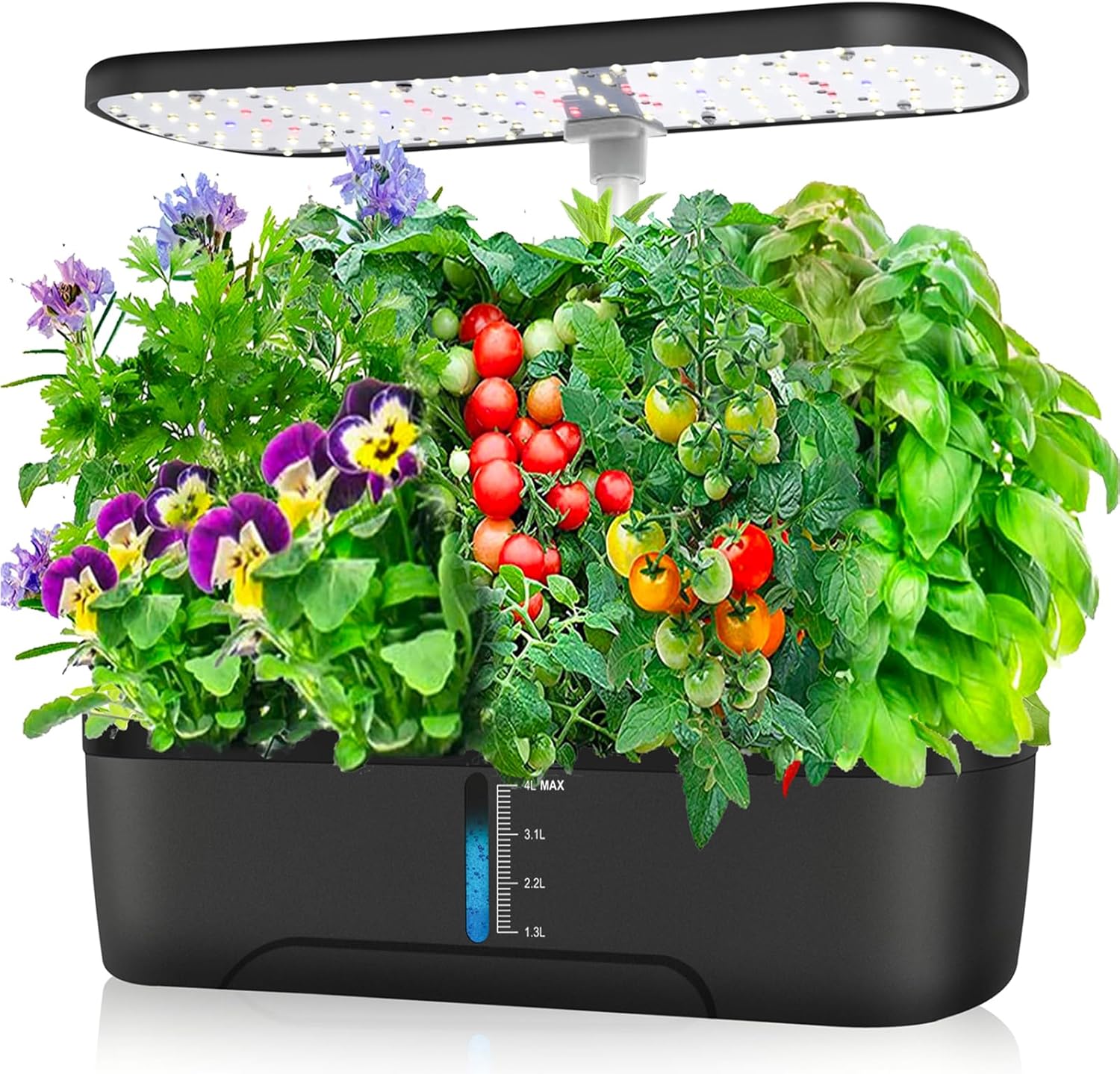 Hydroponics Growing System Hydroponics Growing System | ~$58.99 | 4.4★ (182) | Faster Growing System: This indoor herb garden help plants grow 3 times faster t | Check Price |
 iDOO Hydroponics Growing System Kit iDOO Hydroponics Growing System Kit | ~$79.98 | 4.5★ (7,955) | 22-Watt LED light of iDOO hydroponics growing system turns on/off automatically, | Check Price |
 iDOO Hydroponics Growing System Kit iDOO Hydroponics Growing System Kit | ~$129.99 | 4.5★ (7,959) | This Hydroponics Growing System Kit is an ideal choice to get it for yourself or | Check Price |
 AeroGarden Harvest Indoor Garden AeroGarden Harvest Indoor Garden | 4.4★ (21,337) | Enjoy abundant harvests year round with the AeroGarden Harvest, an indoor hydrop | Check Price |
Why a Countertop Hydro System Beats a Seed Tray
Seed-starting trays work fine. I’ve used them. But they need a heat mat underneath to keep soil warm enough for peppers and tomatoes, they dry out constantly, and unless you have a good grow light above them, your seedlings get leggy and floppy within a week of sprouting. I’ve thrown away more stretched-out tomato starts than I want to admit.
A countertop hydroponic system already has everything seeds want: light on a timer directly above, water that stays warm from the pump cycling, and those little dome covers that trap humidity around each pod. You don’t need to buy anything extra. The system you already own for growing basil and lettuce is, kind of by accident, one of the best seed incubators you can put on a kitchen counter.
The big thing I didn’t expect is how fast germination happens. My pepper seeds, which usually take 10-14 days in a seed tray on a heat mat, sprouted in 7 days in the iDOO. Tomatoes came up in 4. I think the constant moisture plus the water temperature staying around 70-75°F from the pump does most of the work, but I can’t prove that’s the exact reason. It just works noticeably faster.
What to Start (And When)
This depends on your last frost date. Mine is around mid-May, so I’m counting backward from there.
Peppers are the best use case for this setup, full stop. They’re slow. They need 8-10 weeks of lead time before they’re ready for outdoor life, and they love warmth during germination. Starting peppers in a countertop system in early-to-mid March gives them exactly the head start they need, and you don’t have to babysit soil moisture or worry about cold windowsills slowing them down.
Tomatoes need 6-8 weeks. I started mine in late February, which might be a touch early, but I’d rather have a stocky transplant I need to pot up than a tiny seedling that isn’t ready when the ground warms up.
Basil is fast, maybe 4-6 weeks before transplant. I’ve written about basil a lot on this site and it barely needs the head start, but if you’re planting a big outdoor herb bed, getting basil going in the hydro system means you’re transplanting a sturdy little plant instead of a fragile seedling.
Flowers surprised me. I dropped some zinnia seeds into two pods just to see what would happen, and they germinated in three days. Marigolds work too. These are great for filling empty pods when you don’t need a full 12 slots of vegetables.
What I wouldn’t bother with: root vegetables (carrots, beets, radishes), large brassicas like broccoli or cauliflower that get enormous fast, or anything you’d direct-sow anyway like beans and squash. The pods are too small and those plants don’t benefit from the indoor head start the way heat-loving crops do.
Keeping Nutrients Low
This part matters and I messed it up the first time. Seeds don’t need nutrients to germinate. They have everything they need inside the seed coat. Just water. So for the first week or so after planting, I run the system with plain water and nothing else.
Once sprouts appear and you can see the first set of real leaves (not the round seed leaves that come up first, but the ones that actually look like the plant), that’s when I add nutrients at about a quarter of the normal dose. The iDOO 12-pod system buy on Amazon comes with A&B nutrient bottles, and I use maybe a quarter-cap of each in the full tank instead of the recommended amount.
Full-strength nutrients on seedlings will burn them. I learned this with some tomato starts that got crispy leaf edges within days of me adding the regular dose. Quarter strength for the first couple weeks, then maybe half strength as they put on more leaves. You’re not trying to grow these plants to harvest in the system, so they don’t need heavy feeding.
The budget 12-pod system check current price that runs about $59 works the same way. It comes with grow domes for each pod, which is actually a nice bonus for seed starting since the domes hold in moisture during germination. Once sprouts are up and growing, pop the domes off.
Which System to Use
Either the AeroGarden Harvest see on Amazon or an iDOO 12-pod works for this. They have different strengths though.
The AeroGarden Harvest gives you 6 pods and a 20W light that can sit up to 12 inches above the deck. For seed starting, 6 pods is plenty if you’re growing two or three varieties. The light timer runs automatically, the system reminds you when to add water, and the whole thing is small enough that it doesn’t dominate counter space. I think of it as the “I want to start a few tomato and pepper plants” option. If you’re coming in fresh and want to understand what to look for in a first system , the Harvest is usually my starting recommendation.
The iDOO 12-pod gives you double the capacity and a slightly taller light post (up to 15 inches). The 4.5L tank means less refilling. If you want to start a serious batch of seedlings for a whole raised bed, 12 pods lets you do six tomatoes, four peppers, and still have room for a couple of flower starts. The iDOO also has a built-in fan, which I think actually helps seedlings develop slightly sturdier stems because of the gentle air movement, though I can’t say I’ve done any controlled test on that. The fan can be a little noisy but it’s not bad.
The pricier iDOO model check price on Amazon runs about $130, which is harder to justify just for seed starting. If you’re also going to use it year-round for herbs and lettuce (which I do), then sure, the upgrade makes sense. But as a dedicated spring seed starter? Get the $80 version.
The Transplant Window
This is where people lose plants. I’ve done it.
Your seedlings look great in the hydro system. Fat leaves, strong stems, roots dangling in the water. You get excited, pull them out, stick them in a pot of soil or straight into the garden bed, and within two days they’re wilted and sad. Not dead, usually, but very unhappy.
The problem is that these plants have never experienced real sunlight, wind, temperature swings, or soil. They’ve been living in a perfectly controlled little bubble. Going straight outside is a shock.
So you need to harden them off. That’s the term and it confused me for a long time because it sounds like you’re doing something to make the plant tougher, like some kind of boot camp. It’s simpler than that.
Here’s what I do: when seedlings have 2-3 sets of true leaves, I pull them from the hydro system, gently rinse the roots, and pot them into small containers with regular potting mix. They live on my kitchen counter near a window for about a week while they adjust to soil. Then I start putting them outside in a shaded spot for a few hours a day, bringing them back in at night. After four or five days of that, I leave them in a spot that gets morning sun but not harsh afternoon light. After another four or five days, they’re ready for full sun and their permanent outdoor spot.
Is this annoying? Yes. It takes almost two weeks of shuffling pots around, and my partner has already asked why there are nine containers of tiny plants on the porch railing. But skipping this step means you’ll probably lose half your transplants to sunburn or wind damage. The ones that survive will be stunted for weeks while they recover.
You’re going to skip the hardening off. I know you are. And then you’ll wonder why your beautiful hydro-grown tomato seedlings look like they got microwaved after one afternoon outside. I did the same thing my first year.
What Stays in the System vs. Gets Transplanted
Not everything needs to go outside. Basil grows perfectly well in a countertop system all season long and I usually keep a few pods running indoors even after I transplant some outdoors. Same with mint and most leafy herbs. If you’ve got the pod space, just leave them.
Tomatoes and peppers have to go outside eventually, unless you’re growing microdwarf varieties specifically bred for containers (and even then, a 12-pod system doesn’t give them enough root space for a full growing season). Once a tomato seedling hits about 4-5 inches tall with several sets of leaves, it’s time to start the transplant process. Don’t wait until it’s root-bound in the pod basket, because untangling hydro roots from a small basket is a pain and you’ll damage the plant doing it.
I think of my iDOO as a revolving door in spring. Peppers go in first because they need the longest head start, then tomatoes a couple weeks later, then I fill the remaining pods with herbs that’ll stay put through summer. By the time my outdoor garden is fully planted in late May, the system transitions back to its normal indoor herb duty. I covered which crops do best long-term indoors in my indoor crops guide if you want the full list.
My Setup Right Now
I’m running the iDOO 12-pod with: four pepper pods (two jalapeño, two bell), three tomato pods (all cherry varieties), two zinnia pods, and three empty slots I’ll probably fill with basil in a week or two. Everything is on the Vegetables light mode, which gives the blue-heavy spectrum that’s better for leafy growth and stem development. The peppers are about two inches tall as I write this, the tomatoes are taller already, and the zinnias are absurd little overachievers.
I’m using maybe a fifth of the recommended nutrient dose and the water in the tank is still clear, which is a good sign. When I run a full herb garden through summer, I sometimes get algae buildup in the reservoir, but with the lower nutrient levels for seed starting that hasn’t been an issue.
One thing I’m not sure about yet: whether the seedlings that started in hydro will establish in soil faster or slower than ones started in a traditional seed tray. My gut says the root structure is different enough that there’s an adjustment period when they hit soil for the first time. The roots in hydro are long, white, and kind of delicate-looking compared to the denser root balls you get from soil-grown starts. Whether that matters once they’re in the ground, I’ll find out in a couple months.
Frequently Asked Questions
Can I use the seed pods that came with my system, or do I need to buy my own seeds?
The pre-planted pods that come with most systems (AeroGarden’s herb kit, iDOO’s sponges) are set up for growing indoors to harvest. For outdoor transplant starts, buy your own seed packets and use the blank grow sponges that come with most systems, or buy replacement sponges separately. A $3 packet of tomato seeds will fill more pods than you have room for.
Do I need to change the water more often when seed starting?
I change mine about once a week, same as normal. With lower nutrient levels, the water actually stays cleaner longer. If it starts looking cloudy or you see any green tinge, swap it out. That’s about it.
Can I start seeds in a system that already has mature plants growing?
Technically yes, but I wouldn’t. Mature plants need full-strength nutrients and the light height is set high for tall plants. Seedlings need low nutrients and the light close to the deck. The conditions are opposite. If you only have one system, I’d harvest whatever’s in there, clean it out, and dedicate the whole thing to seed starting for the spring window. It’s only 6-8 weeks.
What if my seedlings get too tall before it’s warm enough to transplant outside?
This happened to me with the tomatoes I started a bit too early. Pot them up into 4-inch containers with potting soil and keep them under the system’s light or near a bright window. They’ll be fine for an extra week or two in soil indoors. Just don’t let them get root-bound in tiny pots.
Is this actually cheaper than buying transplants at a garden center?
Probably not, if you’re just counting dollars. A six-pack of tomato starts at my local nursery costs $4-5. But you get to pick the exact varieties you want from seed (my nursery never carries the specific cherry tomatoes I like), and there’s something satisfying about growing a plant from seed to fruit through two different systems. I do it because I enjoy it and because my hydro system would otherwise just be sitting there empty through March.
Fair warning: affiliate links ahead. I earn a small commission on purchases, which helps keep this site running. You pay the same either way.