
Both systems are sold side by side at similar price points, and the spec sheets look almost identical at a glance. Twenty-something pods. LED grow light. Adjustable arm. Under $200. So which one do you buy?
If you’re weighing the LetPot Max vs iDOO 20 pod hydroponic garden, the answer depends almost entirely on one design choice neither product page highlights clearly: the LetPot Max buy on Amazon has an active water pump. The iDOO 20-pod check current price does not. That single difference drives almost every other outcome, what you can grow, how you manage it, and whether you’ll be happy with it six months in.
Quick Answer: Get the LetPot Max if you want a pump-driven system that handles herbs, lettuce, and even fruiting plants reasonably well, and you’re okay spending ~$180-200 for app control and auto-nutrient dosing. Get the iDOO 20-pod if you want a passive Kratky-style system for seed starting or simple greens and you’re fine with more frequent water changes. They are not interchangeable, and the iDOO’s lack of pump is a real limitation for lettuce and anything that prefers top-water delivery.
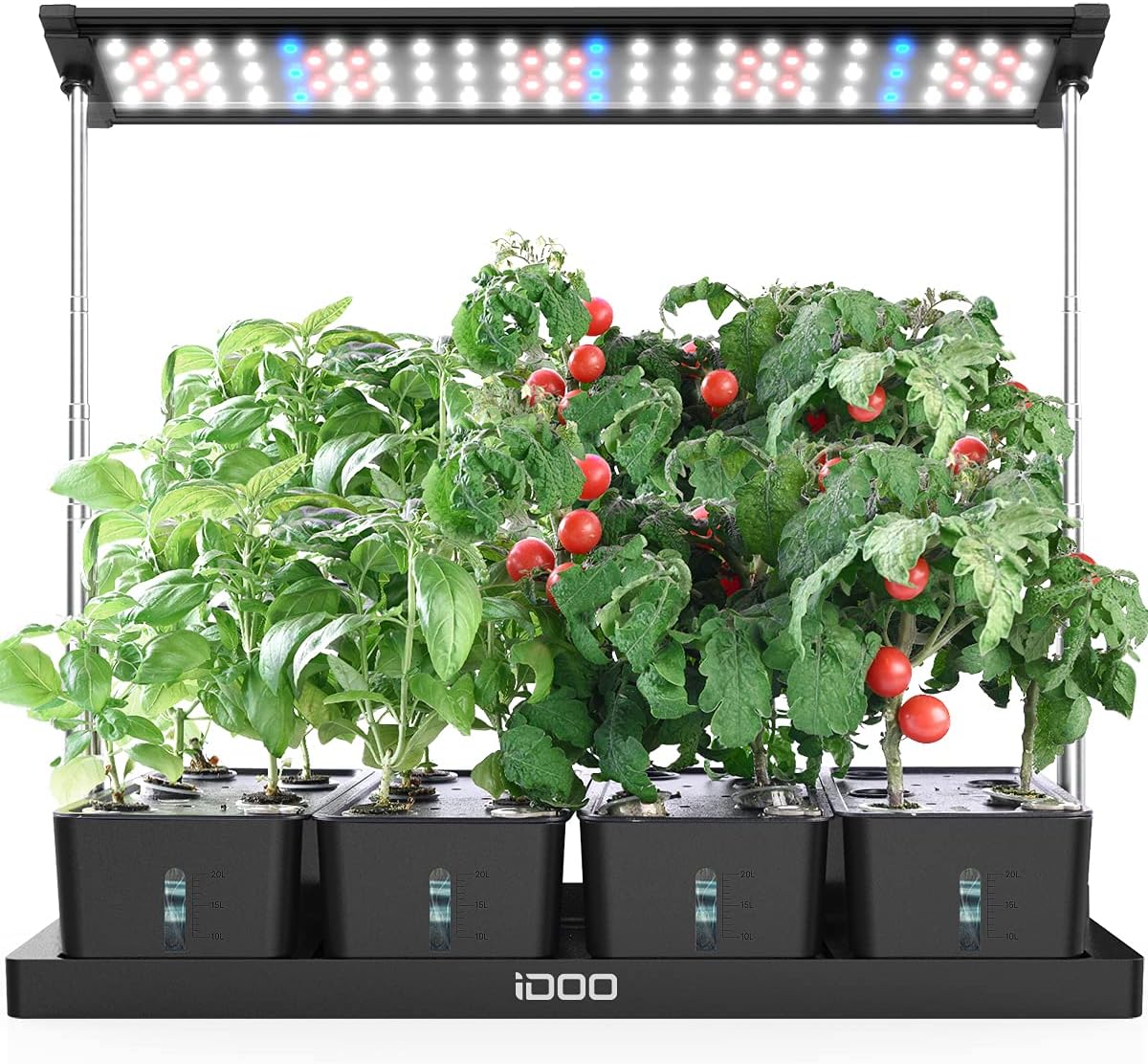 iDOO 20 Pods Indoor Herb Garden Hyrdroponics Growing System ...
20-pod hydroponic system with 34W LED light and adjustable height up to 27 inches, ideal for growing herbs and tall vegetables year-round indoors
iDOO 20 Pods Indoor Herb Garden Hyrdroponics Growing System ...
20-pod hydroponic system with 34W LED light and adjustable height up to 27 inches, ideal for growing herbs and tall vegetables year-round indoors
 LETPOT LPH-SE Hydroponics Growing System, 12 Pods Smart ...
12-pod hydroponic system with 24W full-spectrum LED and app control, ideal for herbs and leafy greens with 3-week water capacity.
~$119.97
LETPOT LPH-SE Hydroponics Growing System, 12 Pods Smart ...
12-pod hydroponic system with 24W full-spectrum LED and app control, ideal for herbs and leafy greens with 3-week water capacity.
~$119.97
 LetPot LPH-Max Hydroponics Growing System Kit, 21 Pods APP ...
21-pod hydroponic system with 36W full-spectrum LED and automatic watering, ideal for growing herbs and leafy greens indoors.
~$190.79
LetPot LPH-Max Hydroponics Growing System Kit, 21 Pods APP ...
21-pod hydroponic system with 36W full-spectrum LED and automatic watering, ideal for growing herbs and leafy greens indoors.
~$190.79
 AeroGarden Bounty Basic - Indoor Garden with LED Grow Light, Black
9-pod hydroponic system with 30W LED light grows herbs and vegetables up to 5 times faster than soil gardening.
~$179.95
AeroGarden Bounty Basic - Indoor Garden with LED Grow Light, Black
9-pod hydroponic system with 30W LED light grows herbs and vegetables up to 5 times faster than soil gardening.
~$179.95
What “No Pump” Actually Means for the iDOO 20-Pod
The iDOO 20-pod is a Kratky system. Roots sit in standing nutrient solution, no circulation, no aeration. The water doesn’t move. This works fine for certain crops, seed starting, herbs in early stages, some microgreens-adjacent work, but it has real consequences for lettuce.
Lettuce in a Kratky setup tends to grow straight up instead of forming a proper head. Without a pump delivering water to the top of the root zone and oxygenating the solution, the plant basically stretches toward light rather than spreading out. The common pattern is that a pump-driven system grows lettuce the way lettuce is supposed to look, while the iDOO 20-pod grows spires. That tracks with how Kratky systems behave with leafy crops in general.
There’s also a pod stability issue. The iDOO 20-pod uses a split reservoir design, four separate water tanks rather than one shared basin. This keeps roots isolated per pod (no root merging, which is actually a legitimate advantage), but it also means each plant is sitting in a smaller water volume. Big feeders like peppers or tomatoes can exhaust one section of the reservoir without you noticing the others are still full. And because there’s no lock mechanism on the pods, larger plants start to tip as they grow. This isn’t a corner case, it’s a consistent complaint.
The flip side is that the split reservoir design does make the iDOO useful as a seed-starting station. Each pod is independent, you can pull individual seedlings when they’re ready to transplant without disturbing neighbors, and the passive system means no pump to clog or fail. For outdoor gardeners who want to get tomatoes and peppers started indoors in February, this is actually a solid use case. Just don’t expect to grow those plants to harvest in it.
The LetPot Max: What You’re Actually Paying For
The LetPot Max runs roughly $180-200 on sale, though the list price is closer to $190. That’s a real price gap versus the iDOO at $100-130, and it’s worth being clear about what you’re getting for the difference.
The Max has a 36W full-spectrum LED, a 7.5-liter tank, an active pump, WiFi app control, auto-nutrient dosing, and a 4.8-inch LCD screen. The nutrient system uses a water level sensor to monitor and adjust both water and nutrient levels automatically rather than a timed drip from a divided compartment. The 21-pod tray handles herb and lettuce growing. There’s also a separate 2-pod large-plant tray for fruiting vegetables.
The app lets you set custom light schedules in 1-hour increments, switch between veg and bloom modes, and check water level remotely. I’ve written before about why default light schedules are often wrong for herbs , and having genuine 0-24 hour control rather than a fixed two-speed toggle matters more than most reviews acknowledge.
The pump makes a real difference for lettuce growth form and root oxygenation. It also means you’re managing more moving parts, a pump is one more thing that can fail, and auto-dosing systems can go wrong if the tank runs low while you’re traveling. (LetPot’s auto-dosing has no vacation mode that pauses dosing when water gets low. The nutrients keep adjusting into less and less water. Worth knowing before you leave for a week.) For more on the LetPot LPH-SE’s behavior in practice, I ran a comparison with the Spider Farmer G12 here .
AeroGarden Bounty Basic - Indoor Garden with LED Grow Light, Black
9-pod hydroponic system with 30W LED light grows herbs and vegetables up to 5 times faster than soil gardening.
Check Price on AmazonThe AeroGarden Bounty Basic see on Amazon sits at $179 with 9 pods and 30W. It’s the benchmark here not because it belongs in this price fight, but because it shows what a well-executed pump-driven system looks like. Fewer pods, less light height flexibility, but a track record that neither LetPot nor iDOO can match yet.
The Dual-Tray Angle Nobody Talks About
The feature that makes the LetPot Max interesting for experienced outdoor gardeners is the swappable tray system, and I’ve never seen another review mention it as a primary use case.
In winter, load all 21 pods. Start your tomato and pepper seedlings six to eight weeks before last frost. The Max’s pump and 36W light give seedlings a real head start, roots develop faster in oxygenated solution than in standing water. When transplant time comes, you can pull individual seedlings without disturbing the rest. Then swap to the 2-pod large-plant tray and grow out one or two fruiting plants through summer.
This is a legitimate dual-season workflow in a single $180-200 unit.
It works better than starting seeds in soil trays under a clip-on grow light. I’ve been eyeing a similar setup with my Barrina T5 strips over a seed-starting tray, but the Max handles the plumbing side automatically in a way a strip light obviously can’t.
One caveat on height: LetPot advertises 30 inches of LED rod adjustment, but the usable plant height above the grow deck is considerably less once you account for the bowl depth and pod height. Compact or determinate varieties fit; standard indeterminate tomatoes will hit the ceiling. Plan accordingly.
The Leak Problem and Other Honest Flaws
The LetPot Max net cup tray has a confirmed leak issue when you’re using the 2-pod large-plant configuration. This isn’t a one-off defect, and the common experience is that warranty replacements don’t resolve it. The pattern tends to repeat across multiple units, which suggests a design flaw rather than a manufacturing variation.
The fix is simple: use the 21-pod tray for most growing, and put a drip tray under the machine if you’re running the 2-pod config. But it’s the kind of design flaw that shouldn’t require a workaround on a $200 machine.
The other complaint worth naming is the water fill hole. It’s small enough that pouring water in quickly causes splashing across the grow deck. Slow pour or use a funnel. Annoying but manageable.
The iDOO 20-pod has its own setup friction. The common complaint is inconsistent germination and a steeper-than-expected learning curve for initial setup. The four-tank design means you’re monitoring water levels in four separate reservoirs instead of one, and in a warm kitchen, Kratky systems need more frequent top-offs than a pumped system because there’s no way to slow evaporation. My guide on nutrients for countertop gardens applies to both systems, but the iDOO’s smaller individual tank volumes mean EC swings faster between changes.
Cost, Crops, and Who Should Buy Which
The iDOO 20-pod makes sense if you want a low-cost seed-starting station, you already have an outdoor garden or tower garden to transplant into, and you’re not expecting it to grow full lettuce heads or fruit indoors. At $100-130, the passive design is a feature rather than a bug for that specific workflow. The independent pods are useful for pulling individual seedlings at different stages.
The LetPot Max is the better long-term indoor growing system of the two. Active pump, better light, larger tank, real schedule control. For herbs and lettuce it performs well. For fruiting plants, the height limit and relatively modest 36W mean compact varieties only, I’d check my cherry tomato guide before committing to anything vining or indeterminate.
Running the Max at 16 hours a day costs roughly $24-30 per year in electricity at US average rates. Not a dealbreaker either way, but worth factoring in against the iDOO’s zero pump draw. For a full breakdown of what these systems actually cost to run, I track real cost data here .
If budget is the constraint, the iDOO wins on price alone. But if you want a system that grows lettuce that actually looks like lettuce, go with the LetPot. And if you’re the kind of grower who wants one unit to handle both seed starting in February and herb harvests in July, the Max is the only one of these two that can realistically do both.
🏆 Best Value Overall
LetPot LPH-Max Hydroponics Growing System Kit, 21 Pods APP ...
21-pod hydroponic system with 36W full-spectrum LED and automatic watering, ideal for growing herbs and leafy greens indoors.
Check Price on AmazonThis article is part of my The Complete AeroGarden Guide , a complete resource for countertop hydroponic growing.
Frequently Asked Questions
Does the iDOO 20-pod have a water pump?
No. The iDOO 20-pod is a passive Kratky-style system with no active pump or circulation. Roots sit in standing nutrient solution. This is different from iDOO’s 12-pod models, which do include a pump. The absence of circulation affects root oxygenation and means crops that prefer top-water delivery (like heading lettuce) won’t perform the way you’d expect.
Can you grow tomatoes or cucumbers in the LetPot Max?
Yes, but with limits. The 2-pod large-plant tray is designed for fruiting plants, and cucumber grows have been done successfully in it. The key constraint is usable plant height above the grow deck, which is considerably less than the 30-inch rod spec once you account for the bowl depth and pod height. Compact or determinate varieties work. Standard indeterminate tomatoes will outgrow the light before they produce well. A trellis accessory helps with vining plants.
Is the LetPot Max worth the extra money over the iDOO 20-pod?
For most indoor growers, yes. The pump alone makes a meaningful difference in plant form and root health. The auto-nutrient dosing and WiFi scheduling add real convenience. What you’re paying for is a complete system versus a seed-starting tray with a light. If your goal is genuine indoor harvests rather than seedling production, the $70-100 gap is justified. If you mainly want a winter seed-starting station and have an outdoor garden to transplant into, the iDOO at $100-130 does that job without the complexity.
What is the best brand of hydroponic garden?
For dedicated countertop growing, AeroGarden has the longest track record and the most consistent build quality. The Bounty Basic at $179 is the system I point most growers toward as a benchmark. In the 20-pod range, LetPot consistently ranks above iDOO for light output, ease of use, and honest specs. Gardyn leads the premium end but costs much more once subscription fees are factored in, as I covered in my Gardyn 4.0 breakdown .
What’s the biggest disadvantage of a countertop hydroponic system?
Small reservoirs. In a 1-2 liter system, nutrient concentration and pH can shift overnight rather than over days. The iDOO’s split tanks make this worse because you’re managing smaller individual volumes. The LetPot Max’s 7.5L tank is better in this respect. Beyond that, the LED footprint on any countertop system covers about a square foot, which is worth being realistic about before expecting grocery-replacing yields. For more on managing nutrients in small systems, my pH meter guide covers when intervention is actually necessary versus when a fresh fill solves the problem.